

In recent years, the foreign trade relations between China, Russia, and Europe have been attracting attention. What changes can be expected in the trade relations between these regions in 2023? In this article, we will explore the development trends of foreign trade between China, Russia, and Europe, as well as possible changes.
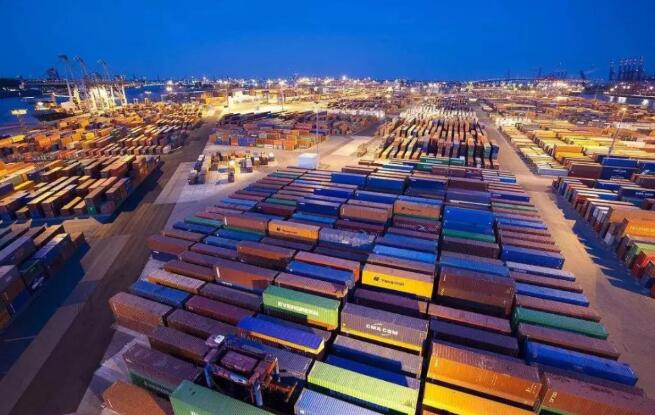
China and Europe The trade relations between China and Europe have been continuously growing in recent years. Since the signing of the Comprehensive Agreement on Investment in 2020, the trade relations between the European Union and China have been further strengthened, and the EU has been further opening up its market to facilitate better access for Chinese enterprises. Meanwhile, China is also deepening its trade relations with the EU and gradually reducing its dependence on the United States. Therefore, it can be expected that the trade relations between China and Europe will continue to strengthen in the future.
The digital economy is an emerging area of trade cooperation between China and Europe. As European countries undergo digital transformation and China’s digital economy continues to flourish, the impact of the digital economy on trade is becoming increasingly important. Therefore, trade cooperation in the digital economy, environmental protection technology, and other emerging industries may increase in the future. In particular, in some technology fields, such as artificial intelligence, the Internet of Things, and so on, exchanges and cooperation between China and Europe will be more frequent and close.
Russia and Europe The trade relations between Russia and Europe are also attracting attention. However, due to political and geopolitical factors, this relationship may continue to be restricted to a certain extent. The European Union has imposed a series of economic sanctions on Russia, which have to some extent affected the trade relations between the two sides. However, if the two sides can reach consensus on some important issues, such as the Ukraine crisis and natural gas transportation, the trade relations between Russia and Europe may increase.
In addition to trade relations, China and Europe are also cooperating in the fields of technology, science, and education. China has made significant progress in high-tech industries and has become a global leader in fields such as artificial intelligence, 5G technology, and quantum computing. Europe also has a long history of technological innovation and has been a leader in industries such as renewable energy and electric vehicles.
Therefore, there is enormous potential for cooperation between China and Europe in the technology field. China and Europe have already collaborated in the development of 5G networks, with companies such as Huawei and Nokia playing important roles. This collaboration is likely to continue to expand into other areas such as artificial intelligence, big data, and robotics.
Furthermore, in the field of environmental protection, China and Europe also have extensive cooperation. China is one of the largest carbon-emitting countries in the world, but it is also committed to reducing emissions and transitioning to renewable energy. Europe has become one of the leaders in renewable energy and has set strict targets for reducing carbon emissions. This provides ample space and opportunities for environmental cooperation between China and Europe.
Overall, the trade and cooperation relationship between China and Europe will continue to develop in the future. Although there are some political and geopolitical constraints, both sides recognize the importance of each other and are willing to continue cooperation in various fields. Against the backdrop of globalization and economic development, cooperation between China and Europe will bring more opportunities and benefits for both sides.
